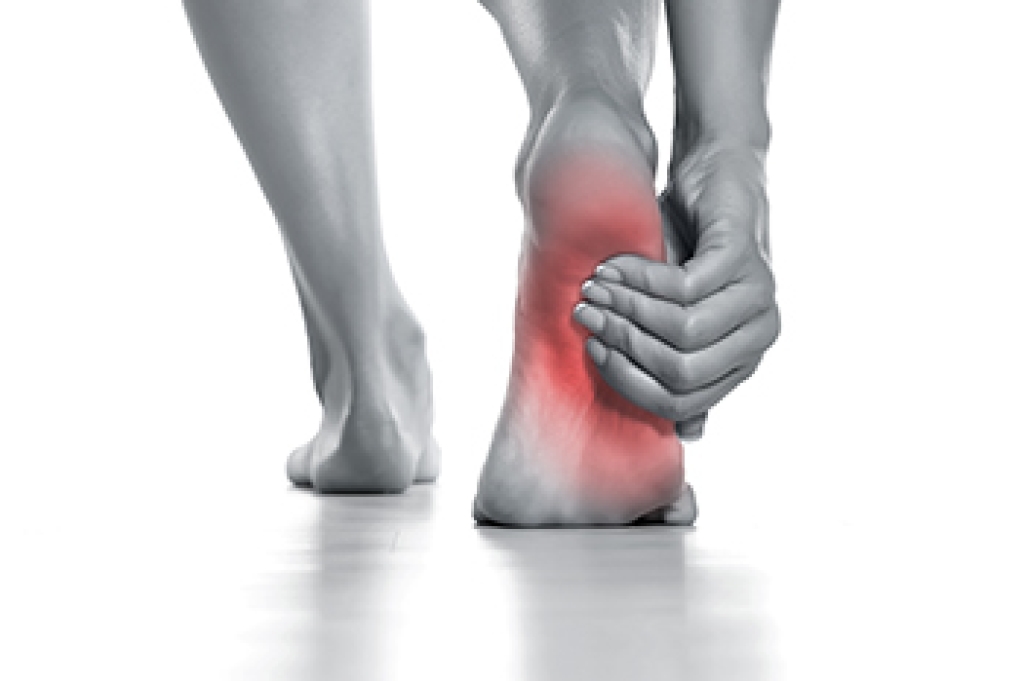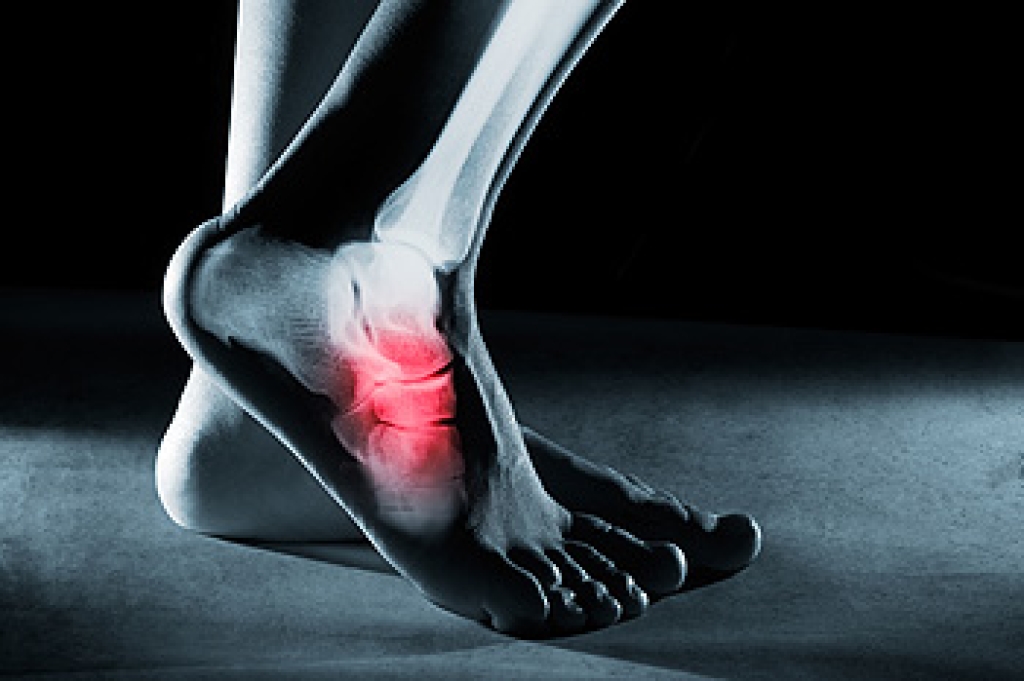
Signs and Causes of Foot Stress Fractures

A foot stress fracture is a small crack in a bone caused by repeated stress rather than one injury. These fractures often develop when the foot does not have enough time to recover between activities. Running, jumping, and changes in activity can place extra strain on the bones. Common symptoms include localized pain, tenderness, and discomfort that becomes worse with activity. Pain may improve with rest at first, but it can become more noticeable as the injury progresses.

Several risk factors can increase the chance of a stress fracture. Wearing unsupportive footwear may add strain during exercise. Low bone density can also make bones more vulnerable. Other concerns include sudden increases in exercise and poor nutrition. A previous stress fracture may raise the risk of another injury. Pain that continues or becomes stronger should not be ignored, especially when walking starts to feel uncomfortable.

A podiatrist will begin by reviewing your symptoms, activity level, and medical history. The foot will be examined for tenderness, swelling, and areas of pain. Imaging tests may be recommended to help identify a fracture, although some stress fractures are difficult to see early. Treatment often includes reducing activities that place stress on the foot. A protective boot or other support may be suggested when needed. As healing progresses, your podiatrist can guide a gradual return to activity and discuss footwear changes that may reduce future strain.

Your feet need time to heal when a stress fracture develops. Continuing high-impact activity too soon can delay recovery and increase the chance of a more serious fracture. Paying attention to persistent foot pain and giving your body an opportunity to recover are important. If you have symptoms of a foot stress fracture, it is suggested that you consult a podiatrist for effective relief, treatment, and helpful prevention tips. 

Stress fractures occur when there is a tiny crack within a bone. To learn more, contact one of our podiatrists from Family Foot and Ankle Care of Moriches. Our doctors can provide the care you need to keep you pain free and on your feet.

How Are They Caused?

Stress fractures are the result of repetitive force being placed on the bone. Since the lower leg and feet often carry most of the body’s weight, stress fractures are likely to occur in these areas. If you rush into a new exercise, you are more likely to develop a stress fracture since you are starting too much, too soon.  Pain resulting from stress fractures may go unnoticed at first, however it may start to worsen over time.

Risk Factors

  • Gender – They are more commonly found in women compared to men.
  • Foot Problems – People with unusual arches in their feet are more likely to develop stress fractures.
  • Certain Sports – Dancers, gymnasts, tennis players, runners, and basketball players are more likely to develop stress fractures.
  • Lack of Nutrients – A lack of vitamin D and calcium may weaken the bones and make you more prone to stress fractures
  • Weak Bones – Osteoporosis can weaken the bones therefore resulting in stress fractures

Stress fractures do not always heal properly, so it is important that you seek help from a podiatrist if you suspect you may have one. Ignoring your stress fracture may cause it to worsen, and you may develop chronic pain as well as additional fractures.

If you have any questions please contact our offices located in Moriches and Shirley, NY . We offer the newest diagnostic and treatment technologies for all your foot and ankle needs.
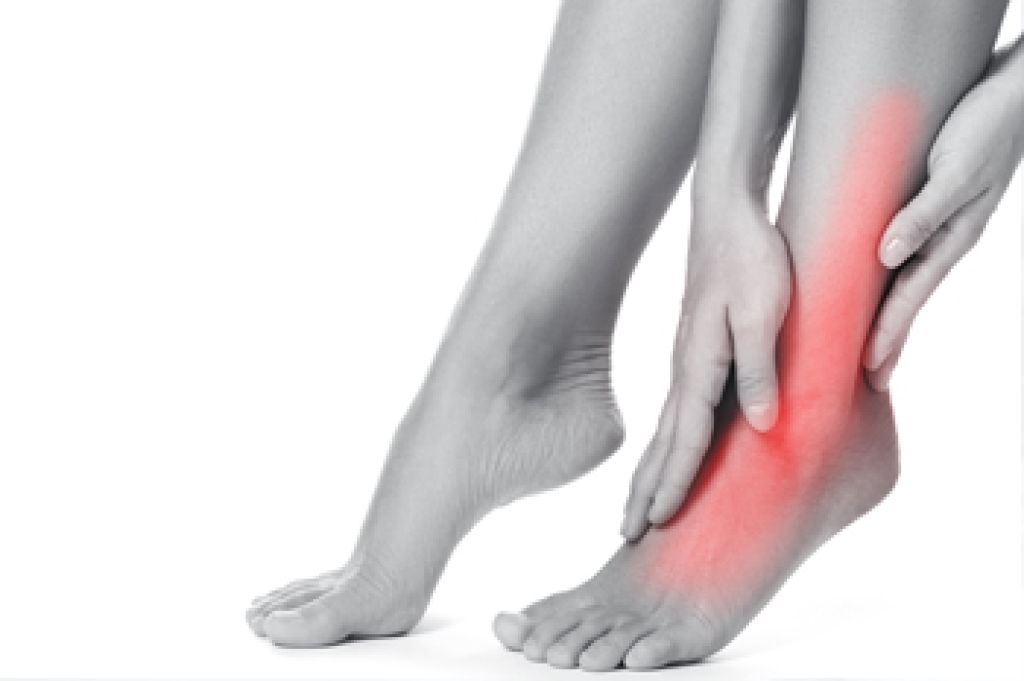
Read more about Stress Fractures of the Foot and Ankle

When Foot Pain Is Linked to Sciatica

Foot pain from sciatica occurs when a nerve in the lower back becomes irritated or compressed. The pain travels along the sciatic nerve, which runs from the lower back through the leg and into the foot. It can affect the ankle or different areas of the foot. Symptoms include burning pain, tingling, and numbness. Some patients also develop muscle weakness that affects balance or makes it harder to lift the front of the foot. The location of the pain depends on which part of the nerve is irritated.

Because sciatica can feel like a foot problem, a careful examination is important. Similar symptoms can result from an injured nerve in the foot and poor circulation or another foot condition. A podiatrist can ask where the pain begins and whether it travels down the leg. The doctor can also test strength, sensation, and reflexes. The way a patient stands and walks can provide further clues. Imaging or nerve tests can help clarify the cause when the examination does not provide enough information. Sudden weakness, loss of bladder control, or numbness around the groin requires immediate medical attention.

A podiatrist can help manage the effects that sciatic nerve pain has on the feet. Custom orthotics can improve foot position and provide better support while walking. A brace can steady the ankle when weakness causes the foot to drag or makes the joint unstable. The podiatrist can also recommend properly fitted shoes that support balance and reduce pressure on painful areas. Regular foot examinations are especially important when numbness makes cuts, blisters, or skin irritation harder to notice. The podiatrist can monitor changes in strength and walking patterns. Surgery is generally reserved for severe cases with serious or worsening nerve problems. If you have foot pain related to sciatica, it is suggested that you schedule an appointment with a podiatrist for a diagnosis and appropriate treatment.

Foot Pain

Foot pain can be extremely painful and debilitating. If you have a foot pain, consult with one of our podiatrists from Family Foot and Ankle Care of Moriches. Our doctors will assess your condition and provide you with quality foot and ankle treatment.

Causes

Foot pain is a very broad condition that could be caused by one or more ailments. The most common include:

  • Bunions
  • Hammertoes
  • Plantar Fasciitis
  • Bone Spurs
  • Corns
  • Tarsal Tunnel Syndrome
  • Ingrown Toenails
  • Arthritis (such as Gout, Rheumatoid, and Osteoarthritis)
  • Flat Feet
  • Injury (from stress fractures, broken toe, foot, ankle, Achilles tendon ruptures, and sprains)
  • And more

Diagnosis

To figure out the cause of foot pain, podiatrists utilize several different methods. This can range from simple visual inspections and sensation tests to X-rays and MRI scans. Prior medical history, family medical history, and any recent physical traumatic events will all be taken into consideration for a proper diagnosis.

Treatment

Treatment depends upon the cause of the foot pain. Whether it is resting, staying off the foot, or having surgery; podiatrists have a number of treatment options available for foot pain.

If you have any questions, please feel free to contact our offices located in Moriches and Shirley, NY . We offer the newest diagnostic and treatment technologies for all your foot care needs.

Read more about Foot Pain

Heel Pain Can Be Treated!

Do you suffer from heel pain when you get up in the morning? If so, you should seek professional help and have a proper diagnosis performed. Heel pain can be caused by several different foot-related conditions.

Podiatrists Can Treat Pickleball Foot and Ankle Injuries

Pickleball injuries are often the result of  quick starts, stops, and sharp side-to-side movements. These common actions place stress on the feet and ankles. Ankle sprains can happen when the foot rolls inward or outward. Achilles tendon strains and tears can result from pushing off quickly. Players can develop heel pain, broken toes, or fractures in the long bones of the foot. Repeated pressure can lead to toenail damage or stress fractures, which are small cracks in a bone. Risk increases when players return to activity too quickly after a break or play on a slippery court.

Proper preparation can lower the chance of injury. A warm-up helps prepare the muscles, tendons, and joints for fast movement. Because running shoes are made mainly for forward motion, they may not offer enough stability for pickleball.  Players should wear court shoes that fit and provide good side-to-side support. Worn-out soles can reduce traction and support. A podiatrist can examine a player’s foot structure, walking pattern, and pressure points. Based on the findings, the podiatrist can recommend suitable shoes, custom orthotics, or activity changes. These steps can improve balance and reduce strain while allowing players to enjoy the game.

Pain, swelling, or difficulty placing weight on the foot should not be ignored. A popping sound, sudden weakness, or a visible change in shape can signal an injury. A podiatrist can perform an examination and order imaging tests to determine whether a bone, tendon, or ligament has been damaged. Treatment includes bracing, immobilization, or other care based on the injury. Early diagnosis can prevent the problem from becoming worse and guide a safe return to the court. It also helps patients avoid changing how they walk, which can create pain elsewhere. If you have injured your foot or ankle while playing pickleball, it is suggested that you schedule an appointment with a podiatrist for effective relief and treatment solutions, enabling you to return to this popular sport.

Sports related foot and ankle injuries require proper treatment before players can go back to their regular routines. For more information, contact one of our podiatrists of Family Foot and Ankle Care of Moriches. Our doctors can provide the care you need to keep you pain-free and on your feet.

Sports Related Foot and Ankle Injuries

Foot and ankle injuries are a common occurrence when it comes to athletes of any sport. While many athletes dismiss the initial aches and pains, the truth is that ignoring potential foot and ankle injuries can lead to serious problems. As athletes continue to place pressure and strain the area further, a mild injury can turn into something as serious as a rupture and may lead to a permanent disability. There are many factors that contribute to sports related foot and ankle injuries, which include failure to warm up properly, not providing support or wearing bad footwear. Common injuries and conditions athletes face, including:

  • Plantar Fasciitis
  • Achilles Tendinitis
  • Achilles Tendon Rupture
  • Ankle Sprains

Sports related injuries are commonly treated using the RICE method. This includes rest, applying ice to the injured area, compression and elevating the ankle. More serious sprains and injuries may require surgery, which could include arthroscopic and reconstructive surgery. Rehabilitation and therapy may also be required in order to get any recovering athlete to become fully functional again. Any unusual aches and pains an athlete sustains must be evaluated by a licensed, reputable medical professional.

If you have any questions please contact our offices located in Moriches and Shirley, NY . We offer the newest diagnostic and treatment technologies for all your foot and ankle needs.

Read more about Sports Related Foot And Ankle Injuries

Common Causes of Heel Pain

Heel pain can make simple activities such as walking or standing uncomfortable. Several conditions can cause pain beneath or around the heel. Plantar fasciitis occurs when the plantar fascia becomes irritated, and this strong band of tissue supports the foot arch. A heel spur is a bony growth that can develop near the heel bone. Calcaneal apophysitis, also called Sever’s disease, affects growing children when the heel growth plate becomes irritated. Each condition has different causes.

Plantar fasciitis often causes sharp pain beneath the heel, especially with the first steps after waking. Long periods of standing can increase discomfort. Risk factors include increased activity, tight calf muscles, and wearing unsupportive footwear. A heel spur may cause localized tenderness or aching, although some heel spurs cause no symptoms. Repetitive stress can contribute to spur development. Calcaneal apophysitis commonly causes heel pain in active children, as running and jumping can make symptoms worse. Growth spurts can increase irritation around the heel.


A podiatrist can determine which condition is causing heel pain. The examination may include checking the heel, arch, and walking pattern. Imaging may be recommended when a heel spur, fracture, or other problem needs evaluation. Treatment depends on the diagnosis, and may include wearing supportive shoes, custom orthotics, or medication guidance. Children with calcaneal apophysitis may need temporary limits on activities that increase heel pain. Follow-up visits can help monitor improvement and adjust treatment.


Heel pain should not automatically be blamed on plantar fasciitis. Accurate diagnosis matters because treatment varies between conditions. Wearing supportive footwear and avoiding sudden increases in activity may help reduce strain. Children should have properly-fitted shoes during sports and everyday activities. Persistent pain, swelling, or difficulty walking deserves attention. Early treatment can improve comfort and help prevent symptoms from interfering with daily life. If you have heel pain, it is suggested that you consult a podiatrist for an accurate diagnosis and appropriate treatment.

Many people suffer from bouts of heel pain. For more information, contact one of our podiatrists of Family Foot and Ankle Care of Moriches. Our doctors can provide the care you need to keep you pain-free and on your feet.

Causes of Heel Pain

Heel pain is often associated with plantar fasciitis. The plantar fascia is a band of tissues that extends along the bottom of the foot. A rip or tear in this ligament can cause inflammation of the tissue.

Achilles tendonitis is another cause of heel pain. Inflammation of the Achilles tendon will cause pain from fractures and muscle tearing. Lack of flexibility is also another symptom.

Heel spurs are another cause of pain. When the tissues of the plantar fascia undergo a great deal of stress, it can lead to ligament separation from the heel bone, causing heel spurs.

Why Might Heel Pain Occur?

  • Wearing ill-fitting shoes                
  • Wearing non-supportive shoes
  • Weight change           
  • Excessive running

Treatments

Heel pain should be treated as soon as possible for immediate results. Keeping your feet in a stress-free environment will help. If you suffer from Achilles tendonitis or plantar fasciitis, applying ice will reduce the swelling. Stretching before an exercise like running will help the muscles. Using all these tips will help make heel pain a condition of the past.

If you have any questions, please feel free to contact our offices located in Moriches and Shirley, NY . We offer the newest diagnostic and treatment technologies for all your foot care needs.

Read more about Heel Pain

Blog Archives

Connect With Us

abpm acfas abfa