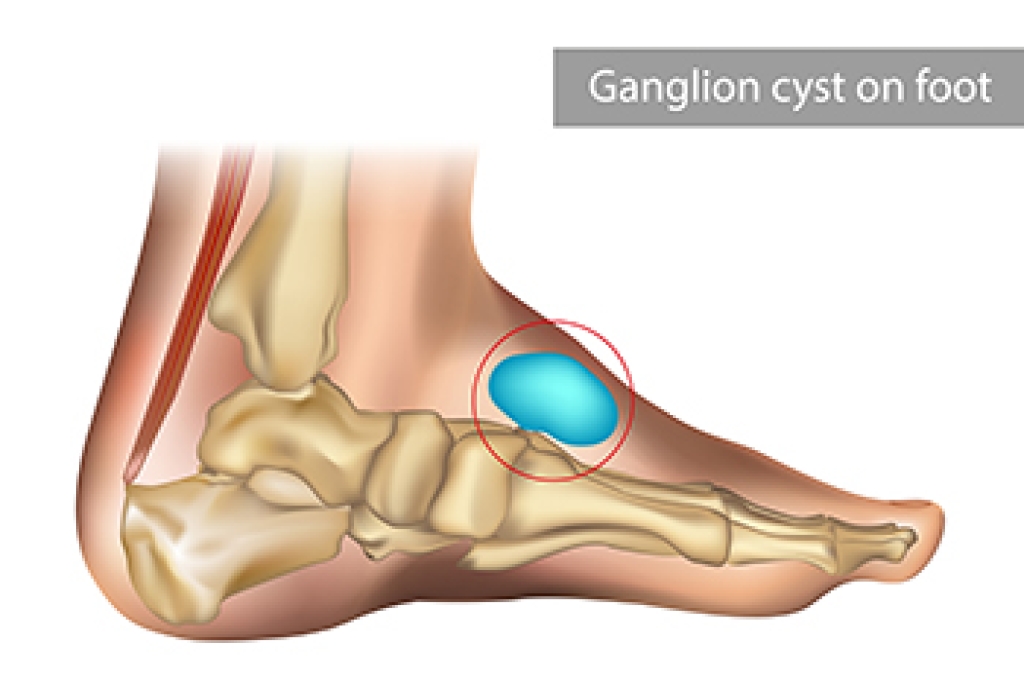
Ganglion Cysts on the Foot and What They Mean

A ganglion cyst is a non-cancerous, fluid-filled lump that can develop near a joint or tendon. Ganglion cysts on the foot may form around the ankle, top of the foot, or near a joint where connective tissues are present. The cyst is usually filled with a thick, jelly-like fluid, and may feel soft or firm when touched. Symptoms may include a visible bump, tenderness, or aching. Irritation while walking may occur. The size of a cyst can change over time and may become more noticeable after activity.

The exact cause of a ganglion cyst is not always known. These cysts may develop when fluid from a joint or tendon sheath collects and forms a sac beneath the skin. Repeated stress or irritation around a joint may contribute to their development. Risk factors can include previous foot injuries, repetitive activity, and conditions that place ongoing stress on the feet. Some people develop a cyst without an obvious injury or triggering event. Because other lumps can look similar, a new growth should be evaluated rather than assumed to be a ganglion cyst.


A podiatrist can examine the foot and determine whether a ganglion cyst is responsible for the lump and symptoms. The evaluation may include reviewing medical history, examining the size and location of the cyst, and checking nearby joints and tendons. Imaging such as an ultrasound or an MRI scan may be recommended when the diagnosis is uncertain. When symptoms interfere with footwear or walking footwear changes may be suggested. Aspiration or surgical removal may be needed, depending on the cyst and the patient’s needs.


Ganglion cysts are usually benign, but persistent growth, pain, or changes in the surrounding skin deserve professional attention. A podiatrist can explain the available treatment options and help determine whether intervention is necessary. If you have a ganglion cyst on your foot, it is suggested that you consult a podiatrist for effective relief and management solutions.

Foot Pain

Foot pain can be extremely painful and debilitating. If you have a foot pain, consult with one of our podiatrists from Family Foot and Ankle Care of Moriches. Our doctors will assess your condition and provide you with quality foot and ankle treatment.

Causes

Foot pain is a very broad condition that could be caused by one or more ailments. The most common include:

  • Bunions
  • Hammertoes
  • Plantar Fasciitis
  • Bone Spurs
  • Corns
  • Tarsal Tunnel Syndrome
  • Ingrown Toenails
  • Arthritis (such as Gout, Rheumatoid, and Osteoarthritis)
  • Flat Feet
  • Injury (from stress fractures, broken toe, foot, ankle, Achilles tendon ruptures, and sprains)
  • And more

Diagnosis

To figure out the cause of foot pain, podiatrists utilize several different methods. This can range from simple visual inspections and sensation tests to X-rays and MRI scans. Prior medical history, family medical history, and any recent physical traumatic events will all be taken into consideration for a proper diagnosis.

Treatment

Treatment depends upon the cause of the foot pain. Whether it is resting, staying off the foot, or having surgery; podiatrists have a number of treatment options available for foot pain.

If you have any questions, please feel free to contact our offices located in Moriches and Shirley, NY . We offer the newest diagnostic and treatment technologies for all your foot care needs.

Read more about Foot Pain

Reminder: When Was the Last Time...?

Custom orthotics, or shoe inserts, should be periodically replaced. Orthotics must fit properly to give you the best results. Protect your feet and ankles!

What Causes Toenail Fungus and How It Is Treated

Toenail fungus develops when fungi infect a toenail and begin changing its color, thickness, or texture. The infection usually starts near the edge or corner of the nail and can spread across it. Signs include yellow or white discoloration, thickening, and brittle or crumbly edges. The nail can also become difficult to trim. In more advanced cases, it can lift away from the nail bed or break. Pain is not always present at first. However, a thickened nail can press against the inside of a shoe and make walking uncomfortable.

The fungi linked to athlete’s foot cause many toenail-fungus infections. They grow well in warm, dark, and damp places. The infection from athlete’s foot can spread to a toenail or from one nail to another. Risk factors include damaged nails, sweaty feet, and wearing tight or non-breathable shoes. Shared areas like swimming pools and changing rooms can also expose feet to fungus. Toenail fungus can spread between people through direct contact or shared surfaces. Several other nail problems can resemble a fungal infection, so getting the correct diagnosis is important before treatment begins.

A podiatrist can examine the affected nail and determine whether fungus is responsible for the changes. When the diagnosis is uncertain, testing a small nail sample can help confirm the cause. Treatment can involve antifungal medication applied to the nail or prescription antifungal tablets for more severe infections. Toenails grow slowly, so a clear, healthy-looking nail can take many months to replace the damaged nail. A podiatrist can also monitor progress and address thick or painful nails that interfere with shoes or walking. If you have symptoms of toenail fungus, it is suggested that you schedule an appointment with a podiatrist for a diagnosis and appropriate treatment.

If left untreated, toenail fungus may spread to other toenails, skin, or even fingernails. If you suspect you have toenail fungus it is important to seek treatment right away. For more information about treatment, contact one of our podiatrists of Family Foot and Ankle Care of Moriches. Our doctors can provide the care you need to keep you pain-free and on your feet.

Symptoms

  • Warped or oddly shaped nails
  • Yellowish nails
  • Loose/separated nail
  • Buildup of bits and pieces of nail fragments under the nail
  • Brittle, broken, thickened nail

Treatment

If self-care strategies and over-the-counter medications does not help your fungus, your podiatrist may give you a prescription drug instead. Even if you find relief from your toenail fungus symptoms, you may experience a repeat infection in the future.

Prevention

In order to prevent getting toenail fungus in the future, you should always make sure to wash your feet with soap and water. After washing, it is important to dry your feet thoroughly especially in between the toes. When trimming your toenails, be sure to trim straight across instead of in a rounded shape. It is crucial not to cover up discolored nails with nail polish because that will prevent your nail from being able to “breathe”.

In some cases, surgical procedure may be needed to remove the toenail fungus. Consult with your podiatrist about the best treatment options for your case of toenail fungus.  

If you have any questions please contact our offices located in Moriches and Shirley, NY . We offer the newest diagnostic and treatment technologies for all your foot and ankle needs.

Read more about Treating Toenail Fungus

How to Properly Fit Shoes for Healthy Feet

Proper shoe fitting is essential for maintaining foot health and preventing common foot problems. Shoes that fit correctly support natural movement, reduce pressure points, and improve overall comfort during daily activities. Wearing ill-fitting shoes can lead to pain, instability, and long-term complications. Learning how to measure and select the right shoe size helps protect the feet and supports proper alignment. A well-fitted shoe should provide enough room for the toes, secure support around the heel, and balanced cushioning throughout the foot.

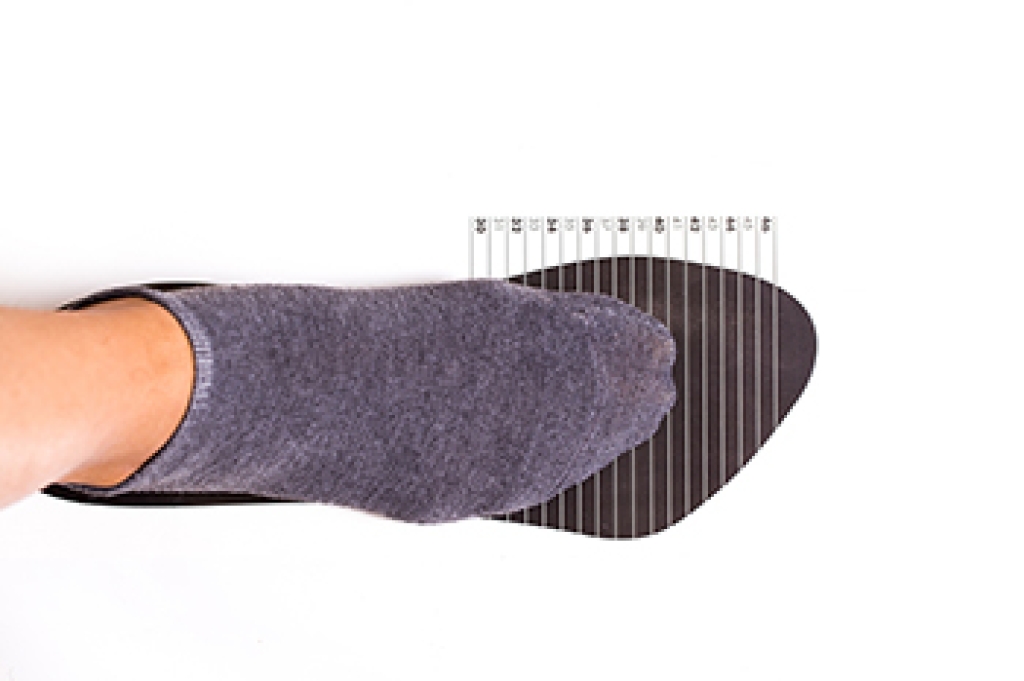
To achieve an accurate fit, it is important to measure the feet at the end of the day when they are slightly swollen. Wearing the same type of socks that will be used with the shoes can also improve accuracy. Another helpful method is to trace the foot on paper and compare the outline against a shoe size chart. Trying on both shoes and walking around allows for a better sense of fit and support.


Wearing shoes that do not fit properly can lead to a range of foot problems. Common issues include blisters, bunions, hammertoes, and toenail damage. Shoes that are too tight may cause pressure and irritation, while shoes that are too loose can lead to instability and friction. These problems can affect posture, walking patterns, and overall foot function. Poor shoe fit may also contribute to heel pain, arch strain, and nerve irritation.


Choosing the right shoes and ensuring a proper fit can improve comfort, reduce injury risk, and support long-term foot health. Paying attention to sizing, width, and support features helps create a better fit for daily activities and exercise. Regularly checking shoe condition and replacing worn footwear is also important for maintaining support. If you have foot pain or difficulty finding shoes that fit properly, it is suggested that you consult a podiatrist for effective relief tips and guidance on proper shoe fit.

Getting the right shoe size is an important part of proper foot health. Seek the assistance of one of our podiatrists from Family Foot and Ankle Care of Moriches. Our doctors will provide the care you need to keep you pain-free and on your feet.

Getting the Right Shoe Size

There are many people who wear shoes that are the incorrect size, negatively affecting their feet and posture. Selecting the right shoes is not a difficult process, so long as you keep several things in mind when it comes to choosing the right pair.

  • When visiting the shoe store, use the tools available to measure your foot.
  • Be sure there is ‘wiggle room’. There should be about an inch between your toes and the tip of your shoes.
  • Do not always assume you are the same size, as manufacturers run differently.
  • Purchase shoes later in the day, as your feet swell as the day progresses.
  • If a shoe is not comfortable, it is not suitable. Most shoes can’t be ‘broken in’, and comfort should be the ultimate goal when it comes to choosing the right pair of shoes

As our feet hold our body weight and keep us moving, it is important to treat them right. Picking the right pair of shoes can provide your feet comfort and mobility without pain.

If you have any questions, please feel free to contact our offices located in Moriches and Shirley, NY . We offer the newest diagnostic and treatment technologies for all your foot care needs.
Read more about Getting the Right Shoe Size: To Keep Your Feet Happy

Understanding Athlete’s Foot and When to See a Podiatrist

Athlete’s foot, also called tinea pedis, is a fungal infection that affects the skin of the feet. Despite its name, anyone can develop athlete’s foot, not just athletes. The fungus grows well in warm, moist environments and can spread through contact with infected skin or contaminated surfaces. Symptoms often develop between the toes but can appear on other parts of the foot. Common signs include itching, redness, and cracked or peeling skin. The affected area may also feel sore or develop small blisters. Because several skin conditions can look similar, an accurate diagnosis can help determine whether a fungal infection is causing the symptoms.


Athlete’s foot can spread from one area of the body to another and may sometimes affect the toenails. The infection can also pass between people through shared surfaces or personal items. Some cases are mild, while others become persistent or return after treatment. Cracks in the skin can create openings that allow bacteria to enter, potentially leading to another infection. People with certain health conditions may face a greater risk of complications from foot infections. Persistent itching, skin changes, or discomfort should be professionally evaluated, especially when symptoms become worse or do not improve with previous treatment.


A podiatrist can examine the feet and determine whether symptoms are caused by athlete’s foot or another skin condition. In some cases, a sample of skin may be examined to confirm a fungal infection. Once diagnosed, a podiatrist can recommend appropriate antifungal treatment based on the location and severity of the infection. Professional podiatry care can also identify related problems involving the skin or toenails and monitor areas at greater risk for complications. Early evaluation may help control the infection before it becomes more difficult to manage. If persistent itching, peeling skin, or other signs of athlete’s foot are causing discomfort, it is suggested that you consult a podiatrist for an evaluation and appropriate treatment options.

Athlete’s foot is an inconvenient condition that can be easily reduced with the proper treatment. If you have any concerns about your feet and ankles, contact one of our podiatrists from Family Foot and Ankle Care of Moriches.  Our doctors will treat your foot and ankle needs.

Athlete’s Foot: The Sole Story

Athlete's foot, also known as tinea pedis, can be an extremely contagious foot infection. It is commonly contracted in public changing areas and bathrooms, dormitory style living quarters, around locker rooms and public swimming pools, or anywhere your feet often come into contact with other people.

Solutions to Combat Athlete’s Foot

  • Hydrate your feet by using lotion
  • Exfoliate
  • Buff off nails
  • Use of anti-fungal products
  • Examine your feet and visit your doctor if any suspicious blisters or cuts develop

Athlete’s foot can cause many irritating symptoms such as dry and flaking skin, itching, and redness. Some more severe symptoms can include bleeding and cracked skin, intense itching and burning, and even pain when walking. In the worst cases, Athlete’s foot can cause blistering as well. Speak to your podiatrist for a better understanding of the different causes of Athlete’s foot, as well as help in determining which treatment options are best for you.

If you have any questions please feel free to contact our offices located in Moriches and Shirley, NY . We offer the newest diagnostic and treatment technologies for all your foot and ankle needs.

Read more about Athlete's Foot

Connect With Us

abpm acfas abfa