
Understanding Ankle Sprains and Recovery

An ankle sprain happens when the strong bands of tissue that support the ankle are stretched or torn. These bands, called ligaments, help keep the joint stable while walking, running and changing direction. A sprain can occur when the foot twists suddenly, rolls inward or lands awkwardly after a step or jump. Pain is usually felt around the ankle and can appear right away. Swelling and bruising can develop within hours. Some patients also notice tenderness or difficulty putting weight on the foot. The severity of an ankle sprain ranges from a mild stretch of the ligaments to a more serious tear that affects ankle stability.

Symptoms can vary depending on how much damage occurred. Many people experience pain when walking and discomfort when moving the ankle from side to side. Swelling can make shoes feel tight and uncomfortable. Bruising may spread across the ankle or foot as the injury develops. Some patients may hear or feel a popping sensation at the moment of injury. A severe sprain can make standing difficult and may create a feeling that the ankle is weak or likely to give way. Because fractures and other injuries can cause similar symptoms, a proper evaluation is important to determine the exact cause of ankle pain.

A podiatrist can examine the ankle, assess its stability, and determine the extent of the injury. Diagnosis includes a physical examination and, when appropriate, imaging tests like X-rays or advanced scans. Treatment is designed to reduce pain, support healing and restore normal movement. A podiatrist may recommend bracing, targeted exercises or other therapies that help improve strength and balance. Early care can also lower the risk of ongoing instability and repeated sprains. If you have symptoms of an ankle sprain, it is suggested that you schedule an appointment with a podiatrist who can accurately diagnose and treat ankle sprains.

Although ankle sprains are common, they aren’t always minor injuries. If you need your ankle injury looked at, contact one of our podiatrists from Family Foot and Ankle Care of Moriches. Our doctors can provide the care you need to keep you pain-free and on your feet.

How Does an Ankle Sprain Occur?

Ankle sprains are the result of a tear in the ligaments within the ankle. These injuries may happen when you make a rapid shifting movement while your foot is planted. A less common way to sprain your ankle is when your ankle rolls inward while your foot turns outward.

What Are the Symptoms?

  • Pain at the sight of the tear
  • Bruising/Swelling
  • Ankle area is tender to touch
  • In severe cases, may hear/feel something tear
  • Skin discoloration

Preventing a Sprain

  • Wearing appropriate shoes for the occasion
  • Stretching before exercises and sports
  • Knowing your limits

Treatment of a Sprain

In many cases, the RICE method (Rest, Ice, Compression, and Elevate) is used to treat ankle sprains. However, you should see a podiatrist to see which treatment option would work best with your injury. In severe cases, surgery may be required.

It is important to ask your doctor about rehab options after you receive treatment for your injury. Stretching, strength training, and balance exercises may help the ankle heal while also preventing further injury.

If you have any questions, please feel free to contact our offices located in Moriches and Shirley, NY . We offer the newest diagnostic and treatment technologies for all your foot care needs.


Read more about Three Grades of Ankle Sprains

Symptoms and Causes of Plantar Fasciitis

Plantar fasciitis is a painful condition that affects the broad band of tissue along the bottom of the foot.  This tissue, called the plantar fascia, supports the arch and connects the heel to the toes. When it becomes irritated or inflamed, heel pain often develops. Causes include long periods of standing, running, rapid weight gain, and tight calf muscles. Flat feet, high arches, and shoes that do not provide enough support can also increase the risk. Symptoms of plantar fasciitis include sharp pain in the heel, especially with the first steps in the morning or after sitting for a long time. The pain may ease with movement but often returns after long periods of being on your feet. A podiatrist can examine the foot to identify the cause. Treatment options include prescribing custom orthotics, stretching exercises, and support for proper foot function. If you have symptoms of plantar fasciitis, it is suggested that you schedule an appointment with a podiatrist for a diagnosis and appropriate treatment. 

Plantar fasciitis can be very painful and inconvenient. If you are experiencing heel pain or symptoms of plantar fasciitis, contact one of our podiatrists  from Family Foot and Ankle Care of Moriches. Our doctors can provide the care you need to keep you pain-free and on your feet.

What Is Plantar Fasciitis?

Plantar fasciitis is the inflammation of the thick band of tissue that runs along the bottom of your foot, known as the plantar fascia, and causes mild to severe heel pain.

What Causes Plantar Fasciitis?

  • Excessive running
  • Non-supportive shoes
  • Overpronation
  • Repeated stretching and tearing of the plantar fascia

How Can It Be Treated?

  • Conservative measures – anti-inflammatories, ice packs, stretching exercises, physical therapy, orthotic devices
  • Shockwave therapy – sound waves are sent to the affected area to facilitate healing and are usually used for chronic cases of plantar fasciitis
  • Surgery – usually only used as a last resort when all else fails. The plantar fascia can be surgically detached from the heel

While very treatable, plantar fasciitis is definitely not something that should be ignored. Especially in severe cases, speaking to your doctor right away is highly recommended to avoid complications and severe heel pain. Your podiatrist can work with you to provide the appropriate treatment options tailored to your condition.

If you have any questions, please feel free to contact our offices located in Moriches and Shirley, NY . We offer the newest diagnostic and treatment technologies for all your foot care needs.

Read more about Plantar Fasciitis

Gout Pain Can Be Managed

Gout is a painful, inflammatory form of arthritis. Those affected will typically feel an intense stiffness in the joints of their feet, particularly in the big toe. Schedule a visit to learn about how gout can be managed and treated.

The Timeline of an Ingrown Toenail

An ingrown toenail happens when the edge of the nail grows into the surrounding skin, causing pain, redness, swelling, and sometimes drainage. Mild cases may improve within days to a couple of weeks if treated early, but more severe cases can last much longer, especially if infection develops or the nail continues growing into the skin. Wearing tight shoes, improper nail trimming, toe injuries, and naturally curved nails can all increase risk. A podiatrist can determine how advanced the problem is, and provide treatment to relieve pressure and discomfort. Care may include lifting the nail edge, treating infection, or removing part of the nail when needed to prevent repeated problems. Waiting too long can lead to worsening pain and deeper skin involvement. If your toe remains swollen, tender, or shows signs of infection, it is suggested that you visit a podiatrist for proper treatment.

Ingrown toenails may initially present themselves as a minor discomfort, but they may progress into an infection in the skin without proper treatment. For more information about ingrown toenails, contact one of our podiatrists of Family Foot and Ankle Care of Moriches. Our doctors can provide the care you need to keep you pain-free and on your feet.

Ingrown Toenails

Ingrown toenails are caused when the corner or side of a toenail grows into the soft flesh surrounding it. They often result in redness, swelling, pain, and in some cases, infection. This condition typically affects the big toe and may recur if it is not treated properly.

Causes

  • Improper toenail trimming
  • Genetics
  • Improper shoe fitting
  • Injury from pedicures or nail picking
  • Abnormal gait
  • Poor hygiene

You are more likely to develop an ingrown toenail if you are obese, have diabetes, arthritis, or have any fungal infection in your nails. Additionally, people who have foot or toe deformities are at a higher risk of developing an ingrown toenail.

Symptoms

Some symptoms of ingrown toenails are redness, swelling, and pain. In rare cases, there may be a yellowish drainage coming from the nail.

Treatment

Ignoring an ingrown toenail can have serious complications. Infections of the nail border can progress to a deeper soft-tissue infection, which can then turn into a bone infection. You should always speak with your podiatrist if you suspect you have an ingrown toenail, especially if you have diabetes or poor circulation.

If you have any questions, please feel free to contact our offices located in Moriches and Shirley, NY . We offer the newest diagnostic and treatment technologies for all your foot care needs.
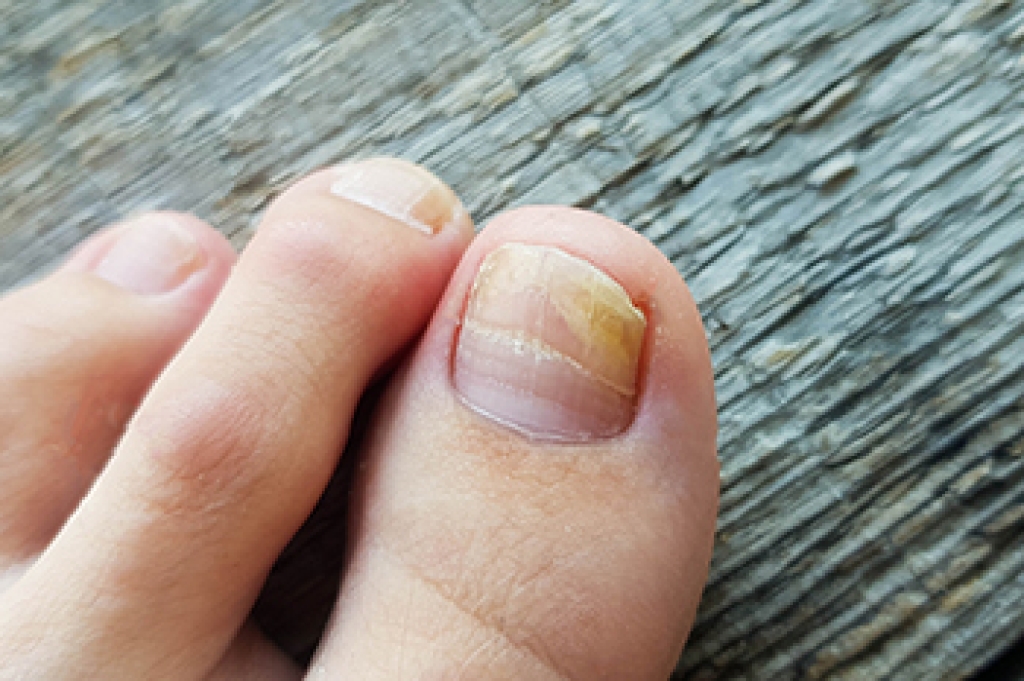
Read more about Ingrown Toenails

Reasons Your Toenails May Hurt

Toenail pain can make it difficult to wear shoes or walk comfortably. Several problems can cause this type of pain. An ingrown toenail occurs when the edge of the nail grows into the surrounding skin. This leads to redness, swelling, and tenderness. Fungal infections can also cause discomfort and usually include thick, discolored, or brittle nails. Injuries from stubbing the toe or wearing tight shoes can cause bruising under the nail and sharp pain. In some cases, the toenail may loosen or lift from the skin beneath it. People with diabetes or poor circulation are at greater risk for toenail problems because small injuries can become serious more quickly. A podiatrist can examine the toenail, identify the cause of the pain, and provide proper treatment to help prevent infection or long-term damage. If you have ongoing toenail pain, it is suggested that you schedule an appointment with a podiatrist for appropriate treatment solutions.

Toe pain can disrupt your daily activities. If you have any concerns, contact one of our podiatrists of Family Foot and Ankle Care of Moriches. Our doctors can provide the care you need to keep you pain-free and on your feet.

What Causes Toe Pain?

Most severe toe pain is caused due to a sports injury, trauma from dropping something heavy on the toe, or bumping into something rigid. Other problems can develop over time for various reasons.

Toe pain can be caused by one or more ailments. The most common include:

  • Trauma
  • Sports injury
  • Wearing shoes that are too tight
  • Arthritis
  • Gout
  • Corns and calluses
  • Hammertoe
  • Bunions
  • Blisters
  • Ingrown toenails
  • Sprains
  • Fractures (broken bones)
  • Dislocations

When to See a Podiatrist

  • Severe pain
  • Persistent pain that lasts more than a week
  • Signs of infection
  • Continued swelling
  • Pain that prevents walking

Diagnosis

In many cases the cause of toe pain is obvious, but in others, a podiatrist may want to use more advanced methods to determine the problem. These can range from simple visual inspections and sensation tests to X-rays and MRI scans. Prior medical history, family medical history, and any recent physical traumatic events will all be taken into consideration for a proper diagnosis.

Treatment

Treatments for toe pain and injuries vary and may include shoe inserts, padding, taping, medicines, injections, and in some cases, surgery. If you believe that you have broken a toe, please see a podiatrist as soon as possible.

If you have any questions please contact our offices located in Moriches and Shirley, NY . We offer the newest diagnostic and treatment technologies for all your foot and ankle needs.

Read more about Toe Pain

Connect With Us

abpm acfas abfa


