When Flat Feet Should Be Evaluated

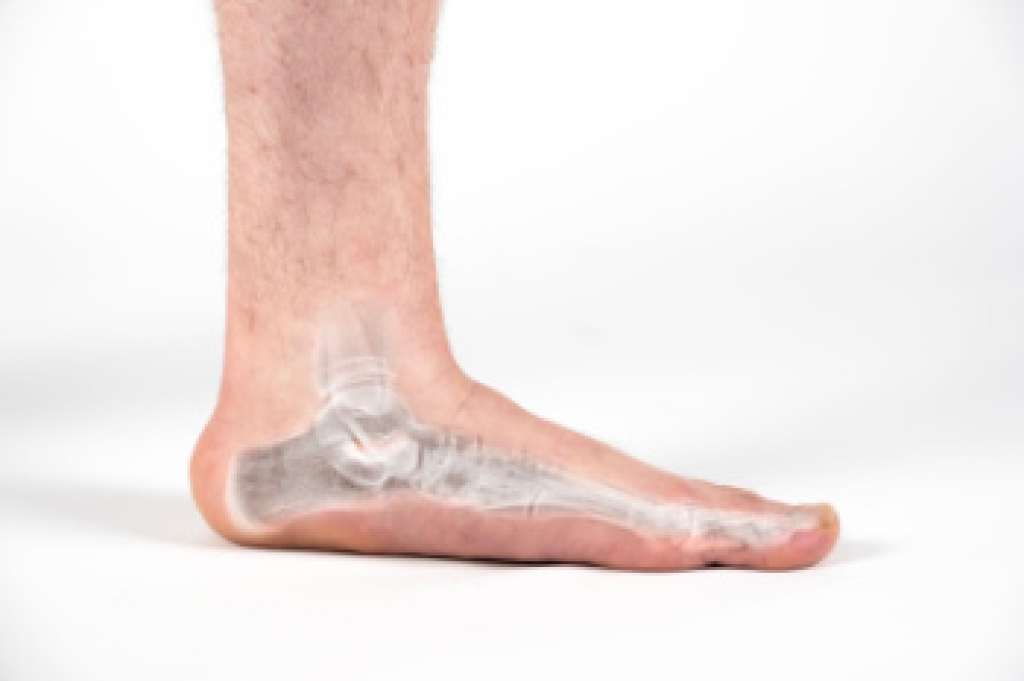
Flat feet occur when the arches of the feet are lower than usual or are not visible while standing. Many children naturally have flat feet during early development, but their arches often form as they grow. In some cases, the arches either do not develop fully or flatten later in life. While many people with flat feet have no symptoms, others may experience foot pain, fatigue, or discomfort after standing or walking for long periods of time. Some individuals also notice swelling along the inside of the ankle or changes in the way they walk. Because flat feet can affect foot function differently from person to person, a professional evaluation is important to determine whether treatment is necessary.


Flat feet can place stress on the muscles, tendons, and joints that support the feet. This added strain may contribute to heel pain, ankle discomfort, or problems with overall alignment when walking. In children, most flexible flat feet do not require treatment unless they are painful, stiff, or interfere with normal activities. A comprehensive podiatry examination helps evaluate foot structure, flexibility, and walking mechanics while identifying any underlying conditions that may be contributing to symptoms. Early assessment is especially important when pain, limited movement, or changes in mobility are present, allowing appropriate care to begin before symptoms become more significant.


A podiatrist specializes in evaluating flat feet in both children and adults and determining whether the condition is affecting foot health or daily function. Professional care focuses on relieving pain, improving mobility, and supporting healthy foot mechanics based on each patient's individual needs. Treatment recommendations are guided by symptoms, physical findings, and overall activity level rather than the appearance of the arch alone. Regular podiatry visits also help monitor changes and identify new concerns early. If you or your child has persistent foot pain, difficulty walking, or concerns about flat feet, it is suggested that you consult a podiatrist for an evaluation and appropriate treatment options.

Flatfoot is a condition many people suffer from. If you have flat feet, contact one of our podiatrists from Family Foot and Ankle Care of Moriches. Our doctors will treat your foot and ankle needs.

What Are Flat Feet?

Flatfoot is a condition in which the arch of the foot is depressed and the sole of the foot is almost completely in contact with the ground. About 20-30% of the population generally has flat feet because their arches never formed during growth.

Conditions & Problems:

Having flat feet makes it difficult to run or walk because of the stress placed on the ankles.

Alignment – The general alignment of your legs can be disrupted, because the ankles move inward which can cause major discomfort.

Knees – If you have complications with your knees, flat feet can be a contributor to arthritis in that area.  

Symptoms

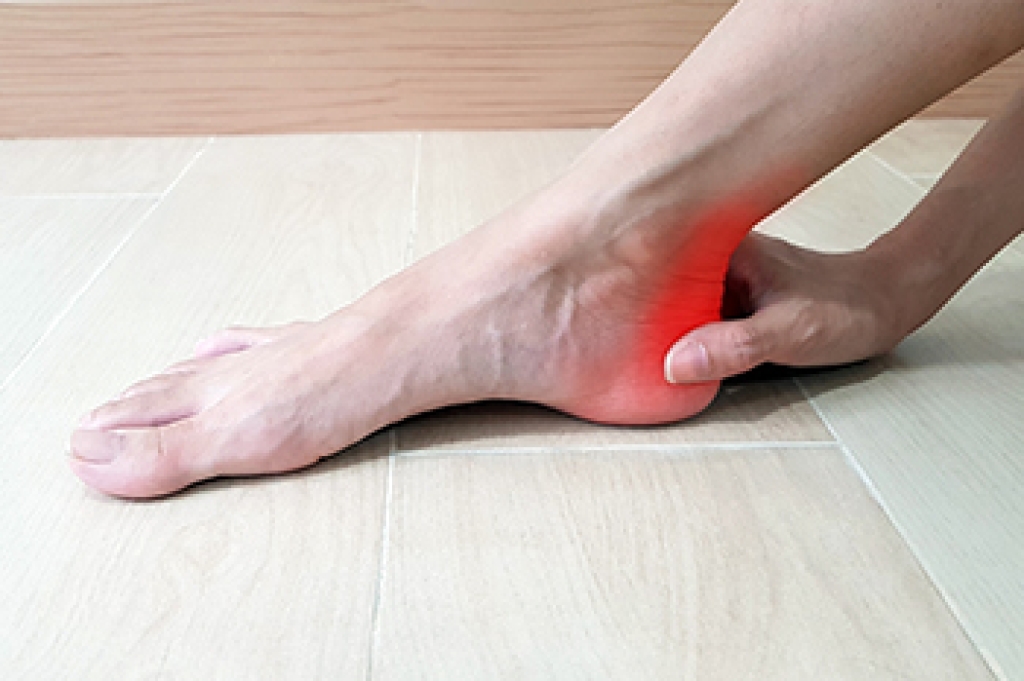
  • Pain around the heel or arch area
  • Trouble standing on the tip toe
  • Swelling around the inside of the ankle
  • Flat look to one or both feet
  • Having your shoes feel uneven when worn

Treatment

If you are experiencing pain and stress on the foot you may weaken the posterior tibial tendon, which runs around the inside of the ankle. 

If you have any questions, please feel free to contact our offices located in Moriches and Shirley, NY . We offer the newest diagnostic and treatment technologies for all your foot care needs.
Read more about Flat Feet

How a Podiatrist Can Help With Achilles Tendon Injuries

Achilles tendon injuries can cause pain and stiffness at the back of the ankle. The Achilles tendon is the strong band of tissue that connects the calf muscle to the heel. One condition affecting this area is Achilles tendinopathy, sometimes called tendinitis. Symptoms can develop gradually or appear suddenly. Patients can notice swelling, tenderness, or mild warmth around the tendon. Pain can become worse with movement or exercise. Stiffness can be stronger in the morning or after resting, while reduced ankle strength can make normal movement more difficult.

Achilles tendinopathy can affect both active and inactive people. A sudden increase in exercise can place more stress on the tendon than it is prepared to handle. Starting a new sport or increasing training intensity can have a similar effect. Long periods of standing can also contribute. Wearing shoes that fit poorly or are not suited to an activity can place added stress on the foot and ankle. Other factors linked with Achilles tendon problems include smoking, excess body weight, and certain health conditions. Understanding the source of the strain can help guide treatment and reduce continued stress on the tendon.

A podiatrist can evaluate an Achilles tendon injury by examining the painful area and checking foot and ankle movement. The assessment can also look at strength, walking patterns, and activities that increase symptoms. Treatment can focus on reducing strain while supporting healthy movement and tendon function. A podiatrist can recommend activity changes, targeted exercises, or shoe modifications based on the patient's condition. Care can also address foot mechanics that place extra pressure on the Achilles tendon. Persistent symptoms or worsening pain deserve a professional evaluation. If you have an Achilles tendon injury, it is suggested that you schedule an appointment with a podiatrist for a diagnosis and  appropriate treatment.

Achilles tendon injuries need immediate attention to avoid future complications. If you have any concerns, contact one of our podiatrists of Family Foot and Ankle Care of Moriches. Our doctors can provide the care you need to keep you pain-free and on your feet.

What Is the Achilles Tendon?

The Achilles tendon is a tendon that connects the lower leg muscles and calf to the heel of the foot. It is the strongest tendon in the human body and is essential for making movement possible. Because this tendon is such an integral part of the body, any injuries to it can create immense difficulties and should immediately be presented to a doctor.

What Are the Symptoms of an Achilles Tendon Injury?

There are various types of injuries that can affect the Achilles tendon. The two most common injuries are Achilles tendinitis and ruptures of the tendon.

Achilles Tendinitis Symptoms

  • Inflammation
  • Dull to severe pain
  • Increased blood flow to the tendon
  • Thickening of the tendon

Rupture Symptoms

  • Extreme pain and swelling in the foot
  • Total immobility

Treatment and Prevention

Achilles tendon injuries are diagnosed by a thorough physical evaluation, which can include an MRI. Treatment involves rest, physical therapy, and in some cases, surgery. However, various preventative measures can be taken to avoid these injuries, such as:

  • Thorough stretching of the tendon before and after exercise
  • Strengthening exercises like calf raises, squats, leg curls, leg extensions, leg raises, lunges, and leg presses

If you have any questions please feel free to contact our offices located in Moriches and Shirley, NY . We offer the newest diagnostic tools and technology to treat your foot and ankle needs.

Read more about Achilles Tendon Injuries

Plantar Warts Can Be Treated!

Plantar warts are small growths that develop on parts of the feet that bear weight. They're typically found on the bottom of the foot. Don't live with plantar warts, and call us today!

The Importance of Professional Foot Wound Care

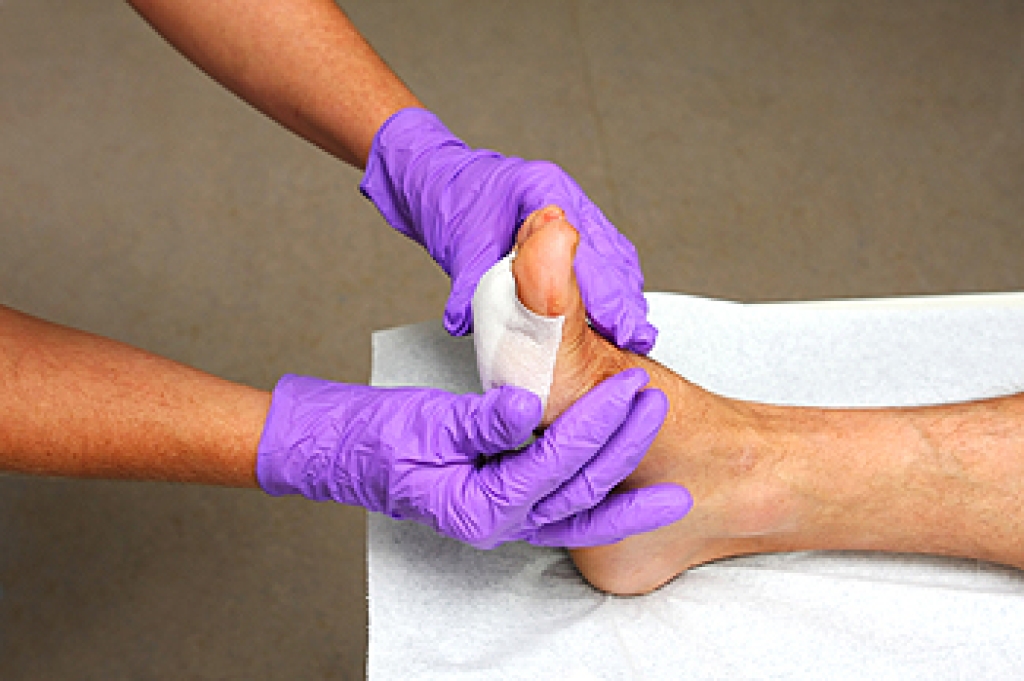
Foot wounds can develop from cuts, punctures, scrapes, or other injuries that damage the skin. While some wounds may seem minor at first, they can become more serious if healing is delayed or complications develop. Pain, swelling, and redness are common symptoms, while some wounds may also produce drainage or become warm to the touch. People with diabetes, poor circulation, or reduced feeling in their feet often face a greater risk of slow-healing wounds and infection. Because the feet are under constant pressure from standing and walking, even a small wound can interfere with daily activities. A professional evaluation is important to determine the severity of the wound and identify the most appropriate treatment.


Proper wound healing depends on healthy blood flow, clean tissue, and protection from additional injury. If a foot wound remains open for too long, the surrounding tissue may become damaged and the risk of infection can increase. As discomfort worsens, many people begin to change the way they walk, placing extra stress on the ankle, knee, or hip. A thorough podiatry examination helps evaluate the depth of the wound and identify any underlying conditions that may delay healing. In some cases, additional testing may be needed to assess circulation or determine whether an infection is present. Early diagnosis helps reduce the risk of more serious complications and supports better long-term foot health.


A podiatrist specializes in evaluating and treating foot wounds while carefully monitoring the healing process. Professional treatment focuses on protecting healthy tissue, promoting wound healing, and reducing the risk of infection. Care is tailored to each patient's needs and may be adjusted as the wound improves. Regular follow-up visits allow healing to be monitored and any concerns to be addressed promptly. If you have a foot wound that is painful, slow to heal, or showing signs of infection, it is suggested that you consult a podiatrist for an evaluation and appropriate treatment options.

Wound care is an important part in dealing with diabetes. If you have diabetes and a foot wound or would like more information about wound care for diabetics, consult with one of our podiatrists from Family Foot and Ankle Care of Moriches. Our doctors will assess your condition and provide you with quality foot and ankle treatment.

What Is Wound Care?

Wound care is the practice of taking proper care of a wound. This can range from the smallest to the largest of wounds. While everyone can benefit from proper wound care, it is much more important for diabetics. Diabetics often suffer from poor blood circulation which causes wounds to heal much slower than they would in a non-diabetic. 

What Is the Importance of Wound Care?

While it may not seem apparent with small ulcers on the foot, for diabetics, any size ulcer can become infected. Diabetics often also suffer from neuropathy, or nerve loss. This means they might not even feel when they have an ulcer on their foot. If the wound becomes severely infected, amputation may be necessary. Therefore, it is of the upmost importance to properly care for any and all foot wounds.

How to Care for Wounds

The best way to care for foot wounds is to prevent them. For diabetics, this means daily inspections of the feet for any signs of abnormalities or ulcers. It is also recommended to see a podiatrist several times a year for a foot inspection. If you do have an ulcer, run the wound under water to clear dirt from the wound; then apply antibiotic ointment to the wound and cover with a bandage. Bandages should be changed daily and keeping pressure off the wound is smart. It is advised to see a podiatrist, who can keep an eye on it.

If you have any questions please contact our offices located in Moriches and Shirley, NY . We offer the newest diagnostic and treatment technologies for all your foot and ankle needs.

Read more about Wound Care

Broken Toe and Metatarsal Fracture Treatment From a Podiatrist

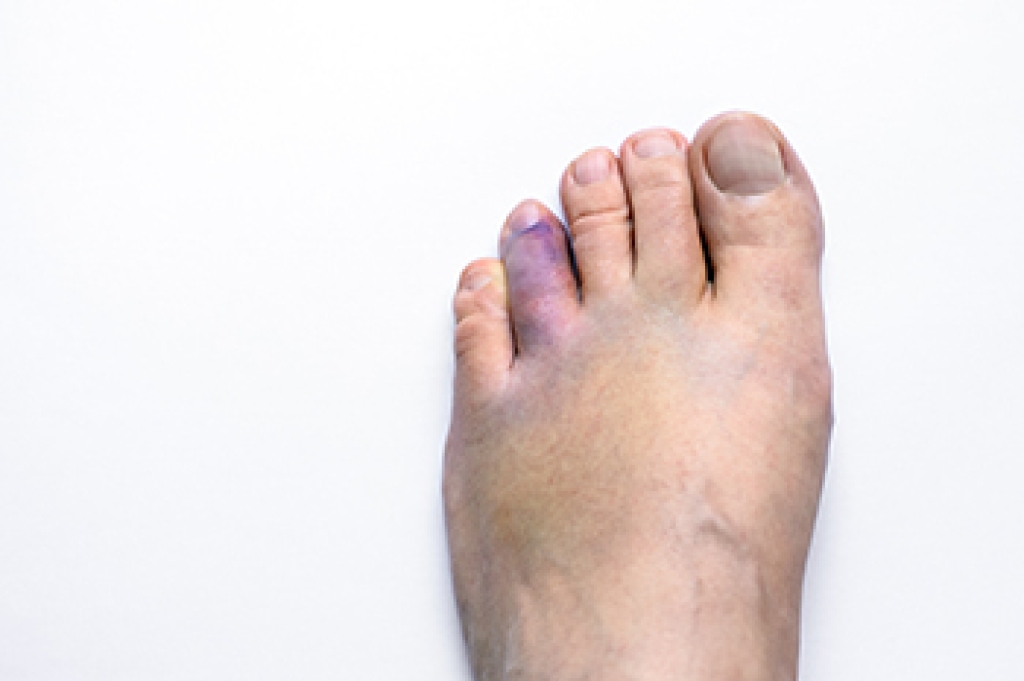
A broken toe or metatarsal fracture can make every step painful because these bones help support your weight and maintain balance while walking. The toes and metatarsals work together to absorb impact and provide stability with each movement. A fracture can happen after dropping a heavy object on the foot, stubbing a toe, or twisting the foot during sports or other activities. Repeated stress from running or jumping can also create tiny cracks called stress fractures. These small breaks develop gradually from repeated force instead of one sudden injury. Prompt evaluation is important because walking on an untreated fracture can lead to further damage and delay proper healing.

Symptoms include swelling, bruising, and tenderness around the injured toe or foot. Some people notice difficulty putting weight on the foot or pain that becomes worse while walking. Others develop visible deformity, stiffness, or swelling that does not improve. Stress fractures sometimes begin with mild discomfort that steadily increases during activity. A complete examination helps determine the location and severity of the fracture. Imaging tests like X-rays can confirm the diagnosis and guide the best treatment plan.

Podiatrists evaluate the injured foot to identify the type of fracture and determine how it affects movement and stability. Treatment depends on the location and severity of the injury and focuses on protecting the broken bone while it heals. A podiatrist also monitors healing, evaluates walking patterns, and helps reduce unnecessary stress on nearby joints and tissues. Early treatment lowers the risk of long-term pain, poor bone alignment, and ongoing mobility problems. Care also helps patients return to normal daily activities as safely as possible while protecting the injured foot from additional strain. If you have symptoms of a broken toe or metatarsal fracture, it is suggested that you schedule an appointment with a podiatrist for diagnosis and treatment.

Broken toes may cause a lot of pain and should be treated as soon as possible. If you have any concerns about your feet, contact one of our podiatrists from Family Foot and Ankle Care of Moriches. Our doctors will treat your foot and ankle needs.

What Is a Broken Toe?

A broken toe occurs when one or more of the toe bones of the foot are broken after an injury. Injuries such as stubbing your toe or dropping a heavy object on it may cause a toe fracture.

Symptoms of a Broken Toe

  • Swelling
  • Pain (with/without wearing shoes)
  • Stiffness
  • Nail Injury

Although the injured toe should be monitored daily, it is especially important to have a podiatrist look at your toe if you have severe symptoms. Some of these symptoms include worsening or new pain that is not relieved with medication, sores, redness, or open wounds near the toe.

If you have any questions please feel free to contact our offices located in Moriches and Shirley, NY . We offer the newest diagnostic tools and technology to treat your foot and ankle needs.

Read more about What to Know About a Broken Toe

Connect With Us

abpm acfas abfa