Peripheral Neuropathy and Fall Risk in the Elderly

Peripheral neuropathy affects the nerves that carry sensation from the feet and legs to the brain. In older adults, this condition often reduces the ability to feel the ground, notice uneven surfaces, or sense pressure changes. When balance feedback is dulled, walking becomes less stable, and the risk of falls rises. Falls in the elderly can lead to fractures, loss of independence, and long recovery periods. Neuropathy may be caused by diabetes, vitamin deficiencies, circulation problems, or certain medications. Symptoms can include numbness, tingling, burning pain, or weakness that worsens over time. Wearing supportive footwear, balance training, and early treatment may help lower fall risk. When numbness, frequent stumbles, or unexplained foot changes appear, it is suggested that you see a podiatrist for a proper diagnosis and appropriate treatment.

Neuropathy

Neuropathy can be a potentially serious condition, especially if it is left undiagnosed. If you have any concerns that you may be experiencing nerve loss in your feet, consult with one of our podiatrists from Family Foot and Ankle Care of Moriches. Our doctors will assess your condition and provide you with quality foot and ankle treatment for neuropathy.

What Is Neuropathy?

Neuropathy is a condition that leads to damage to the nerves in the body. Peripheral neuropathy, or neuropathy that affects your peripheral nervous system, usually occurs in the feet. Neuropathy can be triggered by a number of different causes. Such causes include diabetes, infections, cancers, disorders, and toxic substances.

Symptoms of Neuropathy Include:

  • Numbness
  • Sensation loss
  • Prickling and tingling sensations
  • Throbbing, freezing, burning pains
  • Muscle weakness

Those with diabetes are at serious risk due to being unable to feel an ulcer on their feet. Diabetics usually also suffer from poor blood circulation. This can lead to the wound not healing, infections occurring, and the limb may have to be amputated.

Treatment

To treat neuropathy in the foot, podiatrists will first diagnose the cause of the neuropathy. Figuring out the underlying cause of the neuropathy will allow the podiatrist to prescribe the best treatment, whether it be caused by diabetes, toxic substance exposure, infection, etc. If the nerve has not died, then it’s possible that sensation may be able to return to the foot.

Pain medication may be issued for pain. Electrical nerve stimulation can be used to stimulate nerves. If the neuropathy is caused from pressure on the nerves, then surgery may be necessary.

If you have any questions, please feel free to contact our offices located in Moriches and Shirley, NY . We offer the newest diagnostic and treatment technologies for all your foot care needs.

Read more about Neuropathy

Diabetes Foot Health and Preventive Care

Diabetes is a chronic condition that affects how the body uses blood sugar and can develop due to genetic factors, lifestyle influences, or insulin resistance. Common symptoms include increased thirst, fatigue, slow healing, and changes in sensation. Diabetes can significantly affect the feet by reducing circulation and nerve function, which increases the risk of injury, infection, and ulcers. Proper foot care is essential, and includes checking feet daily, washing and drying them carefully, in addition to trimming the toenails straight across, and wearing shoes and socks while outdoors for protection. Early attention helps prevent complications. A podiatrist can monitor foot health, treat problems early, and provide guidance on proper footwear and care. If you have diabetes, it is strongly suggested that you are under the care of a podiatrist who can help you to manage this serious condition.

Diabetic foot care is important in preventing foot ailments such as ulcers. If you are suffering from diabetes or have any other concerns about your feet, contact one of our podiatrists from Family Foot and Ankle Care of Moriches. Our doctors can provide the care you need to keep you pain-free and on your feet.

Diabetic Foot Care

Diabetes affects millions of people every year. The condition can damage blood vessels in many parts of the body, especially the feet. Because of this, taking care of your feet is essential if you have diabetes, and having a podiatrist help monitor your foot health is highly recommended.

The Importance of Caring for Your Feet

  • Routinely inspect your feet for bruises or sores.
  • Wear socks that fit your feet comfortably.
  • Wear comfortable shoes that provide adequate support.

Patients with diabetes should have their doctor monitor their blood levels, as blood sugar levels play such a huge role in diabetic care. Monitoring these levels on a regular basis is highly advised.

It is always best to inform your healthcare professional of any concerns you may have regarding your feet, especially for diabetic patients. Early treatment and routine foot examinations are keys to maintaining proper health, especially because severe complications can arise if proper treatment is not applied.

If you have any questions, please feel free to contact our offices located in Moriches and Shirley, NY . We offer the newest diagnostic and treatment technologies for all your foot care needs.
Read more about How to Care for Diabetic Foot

Do Your Child's Feet Hurt?

Have your child's feet been examined lately? Healthy feet are happy feet. If your child is complaining of foot pain, it may be a sign of underlying problems.

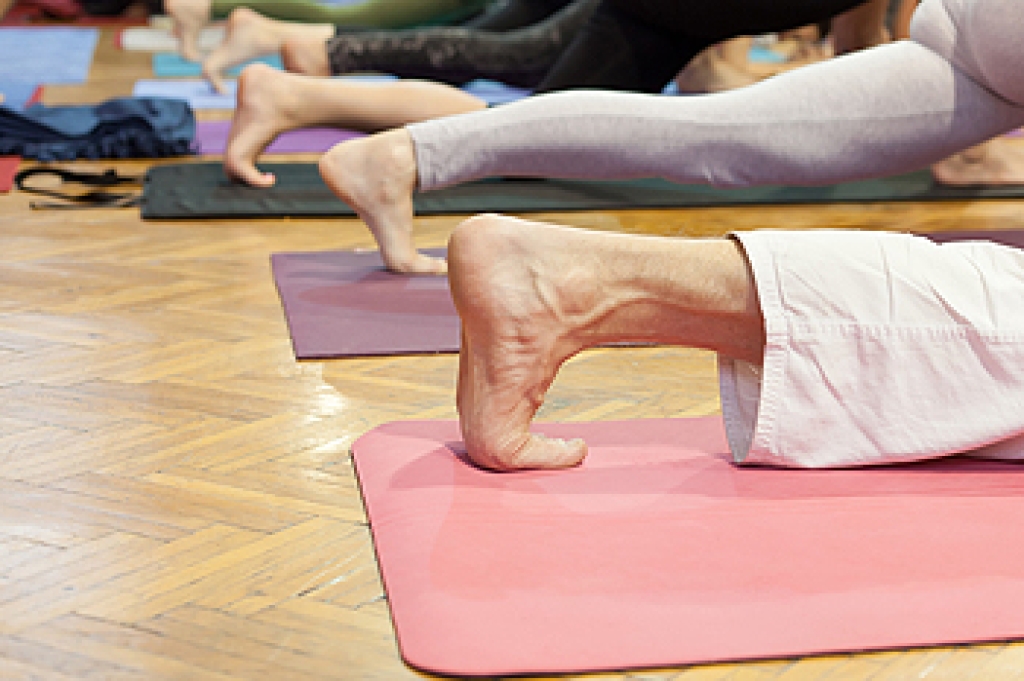
The Benefits of Toe Stretches in Yoga

Toe stretches in yoga help improve flexibility, balance, and overall foot strength by gently lengthening the muscles, tendons, and ligaments in the toes and arches. These stretches can relieve tension from tight footwear, long hours of standing, or repetitive movements. Simple movements such as lifting and spreading the toes, gently curling them, or sitting back on the heels to stretch the toe joints can increase mobility and help the feet support the body more efficiently during yoga and daily activities. Strong and flexible toes can also improve posture and reduce strain on the ankles and knees. A podiatrist can assess your foot mechanics and recommend stretches or foot care routines that support your needs. If you have toe pain or want healthier and more flexible feet, it is suggested that you consult a podiatrist who can offer additional guidance on effective toe stretches.

Why Stretching Is Important for Your Feet

Stretching the feet is a great way to prevent injuries. If you have any concerns with your feet consult with one of our podiatrists from Family Foot and Ankle Care of Moriches. Our doctors will assess your condition and provide you with quality foot and ankle treatment.

Stretching the Feet

Stretching the muscles in the foot is an important part in any physical activity. Feet that are tight can lead to less flexibility and make you more prone to injury. One of the most common forms of foot pain, plantar fasciitis, can be stretched out to help ease the pain. Stretching can not only ease pain from plantar fasciitis but also prevent it as well. However, it is important to see a podiatrist first to determine if stretching is right for you. Podiatrists can also recommend other ways to stretch your feet. Once you know whether stretching is right for you, here are some excellent stretches you can do.

  • Using a foam roller or any cylindrical object (a water bottle or soda can will do), roll the object under your foot back and forth. You should also exert pressure on the object. Be sure to do this to both feet for a minute. Do this exercise three times each.
  • Similar to the previous exercise, take a ball, such as a tennis ball, and roll it under your foot while seated and exert pressure on it.
  • Grab a resistance band or towel and take a seat. If you are using a towel, fold it length wise. Next put either one between the ball of your foot and heel and pull with both hands on each side towards you. Hold this for 15 seconds and then switch feet. Do this three times for each foot.
  • Finally hold your big toe while crossing one leg over the other. Pull the toe towards you and hold for 15 seconds. Once again do this three times per foot.

It is best to go easy when first stretching your foot and work your way up. If your foot starts hurting, stop exercising to ice and rest the foot. It is advised that you then see a podiatrist for help.

If you have any questions please contact our offices located in Moriches and Shirley, NY . We offer the newest diagnostic and treatment technologies for all your foot and ankle needs.

Read more about How to Stretch Your Feet

Metatarsophalangeal Joint Pain and Foot Health

Metatarsophalangeal joint pain refers to discomfort and inflammation in the joints where the toes connect to the foot, commonly affecting walking and balance. This condition often develops from overuse, abnormal foot mechanics, arthritis, wearing improper footwear, or repetitive stress on the forefoot. Symptoms may include aching or sharp pain, swelling, stiffness, tenderness, and difficulty pushing off while walking. Pain may worsen with activity or prolonged standing. A podiatrist can evaluate foot structure, identify the underlying cause, and recommend personalized treatment options such as supportive footwear, custom orthotics, activity modification, and targeted therapies to relieve pain and restore function. If forefoot pain is limiting your mobility or comfort, it is suggested that you schedule an appointment with a podiatrist who can provide a personalized plan for treatment and relief.

Foot Pain

Foot pain can be extremely painful and debilitating. If you have a foot pain, consult with one of our podiatrists from Family Foot and Ankle Care of Moriches. Our doctors will assess your condition and provide you with quality foot and ankle treatment.

Causes

Foot pain is a very broad condition that could be caused by one or more ailments. The most common include:

  • Bunions
  • Hammertoes
  • Plantar Fasciitis
  • Bone Spurs
  • Corns
  • Tarsal Tunnel Syndrome
  • Ingrown Toenails
  • Arthritis (such as Gout, Rheumatoid, and Osteoarthritis)
  • Flat Feet
  • Injury (from stress fractures, broken toe, foot, ankle, Achilles tendon ruptures, and sprains)
  • And more

Diagnosis

To figure out the cause of foot pain, podiatrists utilize several different methods. This can range from simple visual inspections and sensation tests to X-rays and MRI scans. Prior medical history, family medical history, and any recent physical traumatic events will all be taken into consideration for a proper diagnosis.

Treatment

Treatment depends upon the cause of the foot pain. Whether it is resting, staying off the foot, or having surgery; podiatrists have a number of treatment options available for foot pain.

If you have any questions, please feel free to contact our offices located in Moriches and Shirley, NY . We offer the newest diagnostic and treatment technologies for all your foot care needs.

Read more about Foot Pain

Connect With Us

abpm acfas abfa


